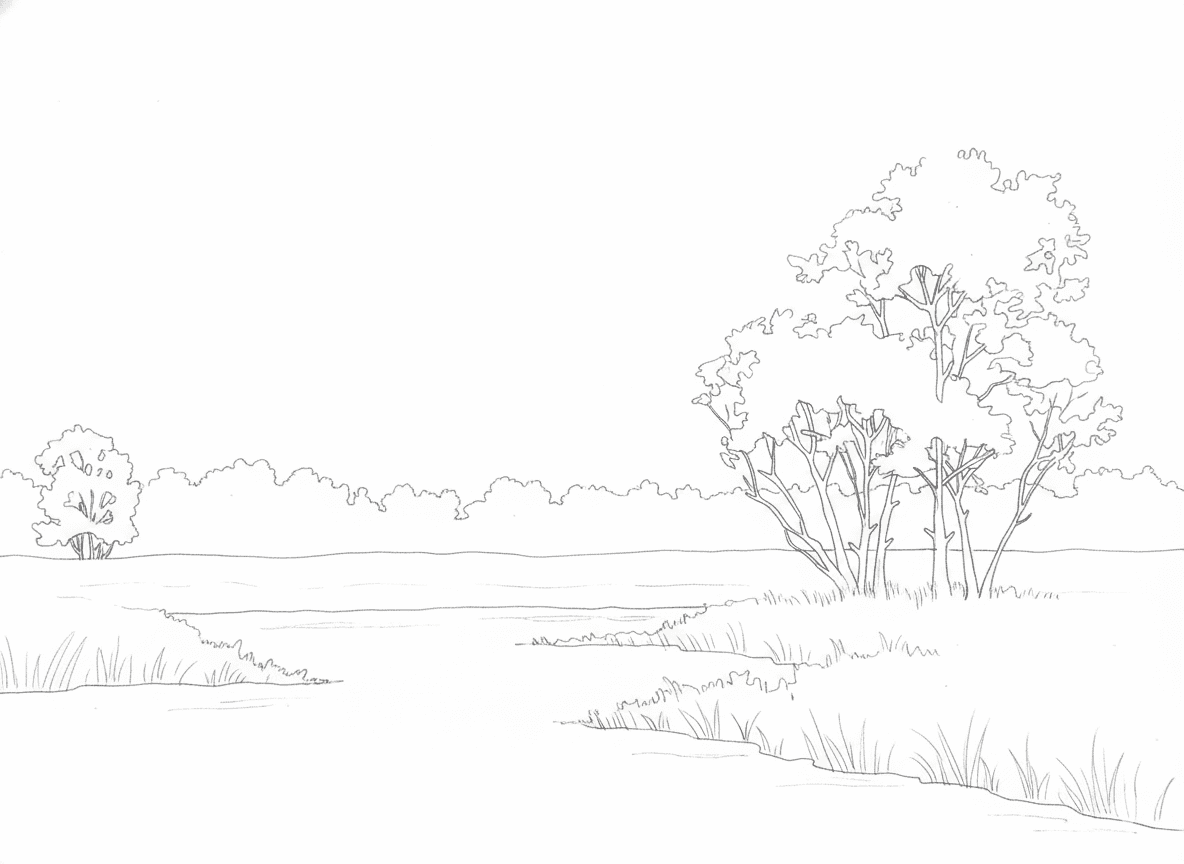
Not an art class. A dedicated cognitive development programme using visual language as the foundational medium for ages 6–14.
A five-level technical journey designed to transform basic mark-making into professional-grade design thinking.
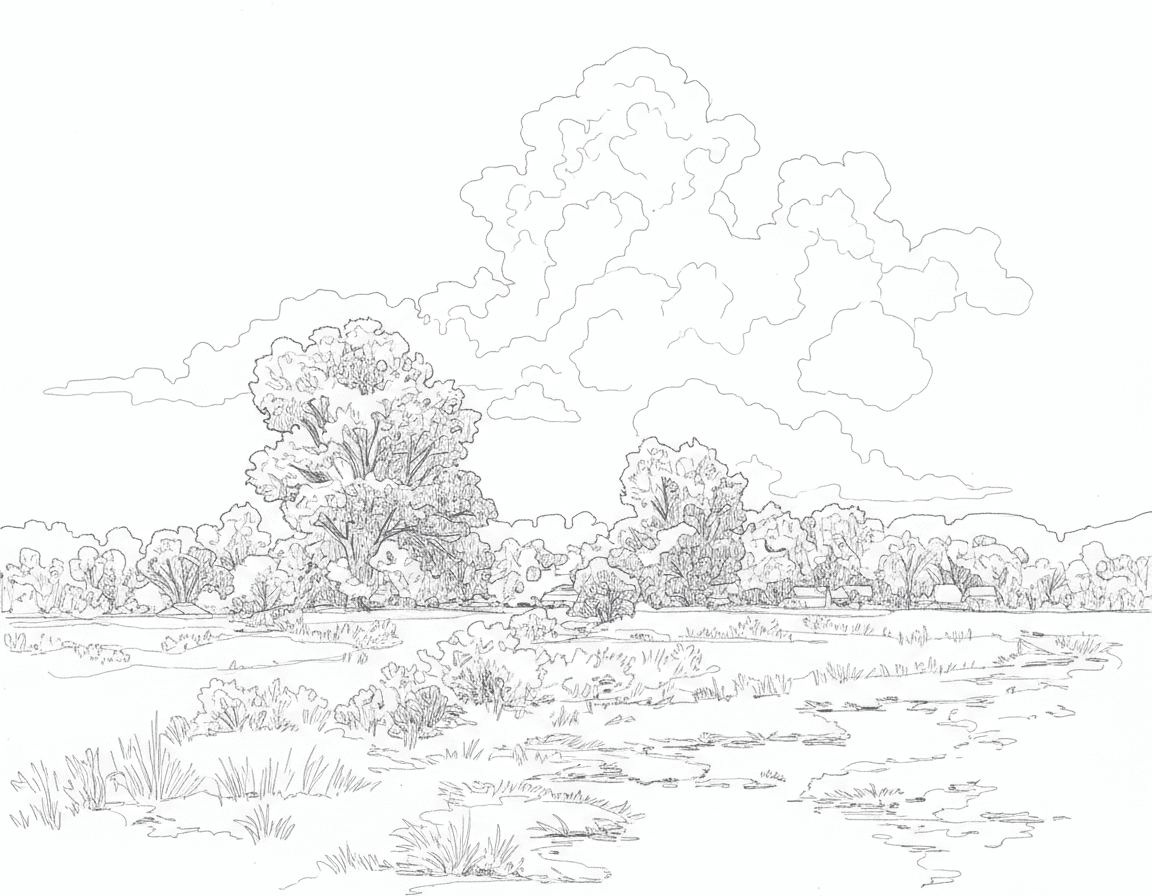
Our curriculum follows a rigorous progression from foundational motor control to advanced systems thinking and professional design.
Building the fundamental eye-to-hand connection.
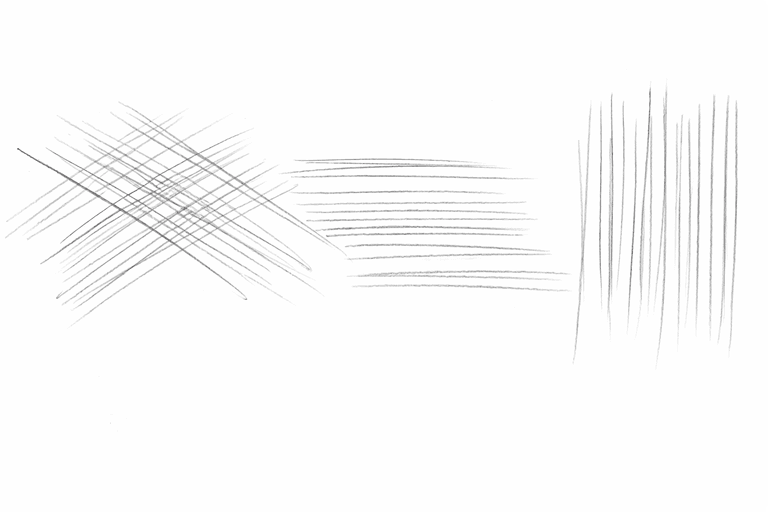
The program begins with precision motor control. Introduction to lines, shapes, and patterns—learning to handle pencils with deliberate pressure and control.
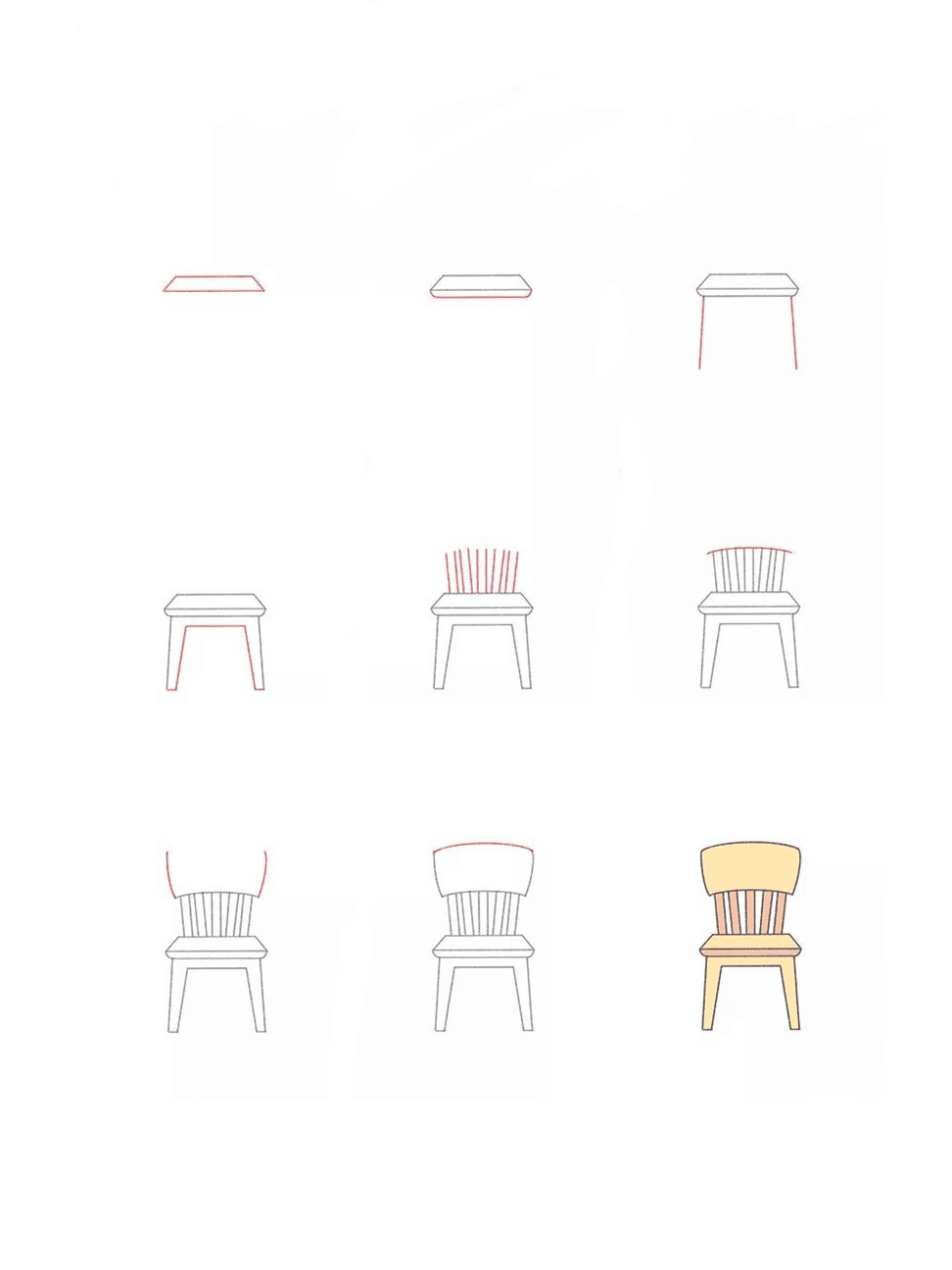
Students learn that complex objects are made of simple shapes. They develop focus and patience while mastering the first steps of visual communication.
Key Focus
Motor skills, observation, shape logic
Outcome
Confidence in mark-making and structural seeing


Building solid artistic foundations.
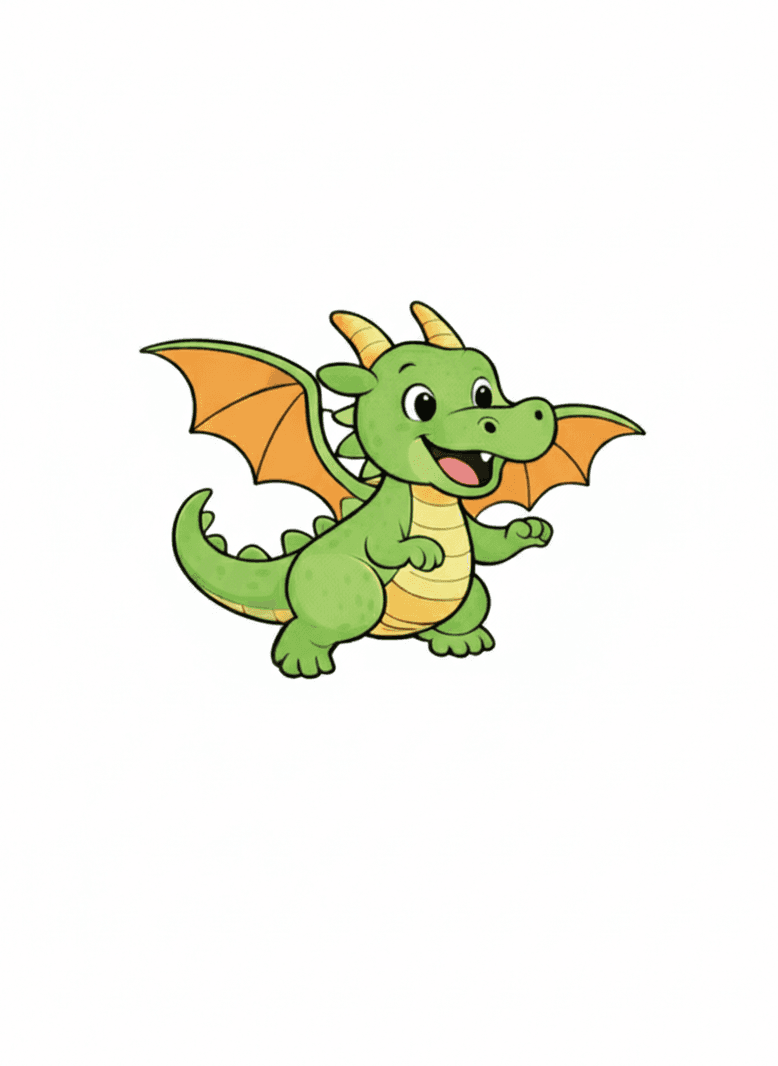
From cartoon animals and humans to mythical creatures and common objects. Students learn to breakdown any character into simple shapes.
Key Focus
Perspective, structure, creative anatomy
Outcome
Construct complex characters from imagination
Translating observation into original design.
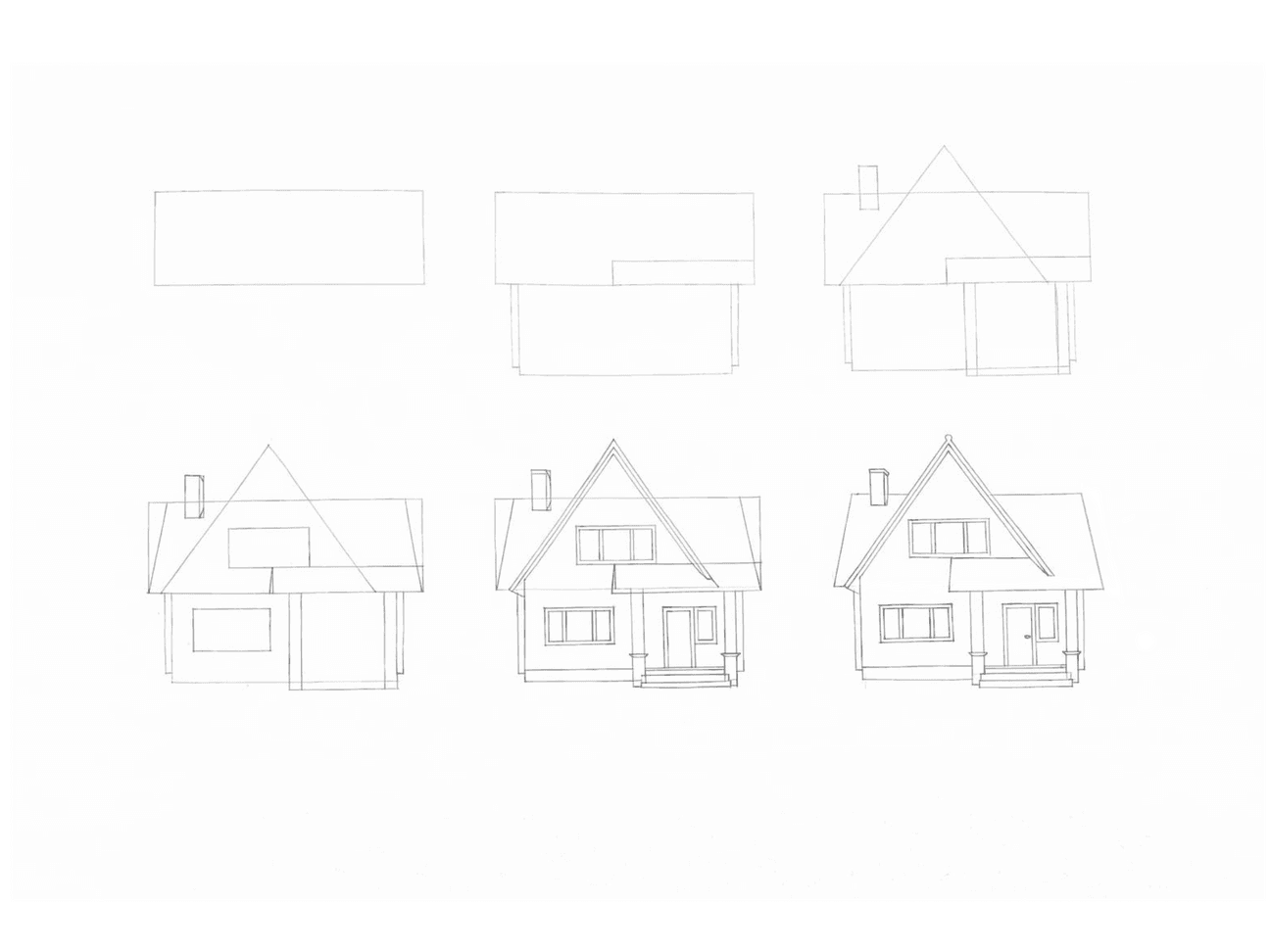
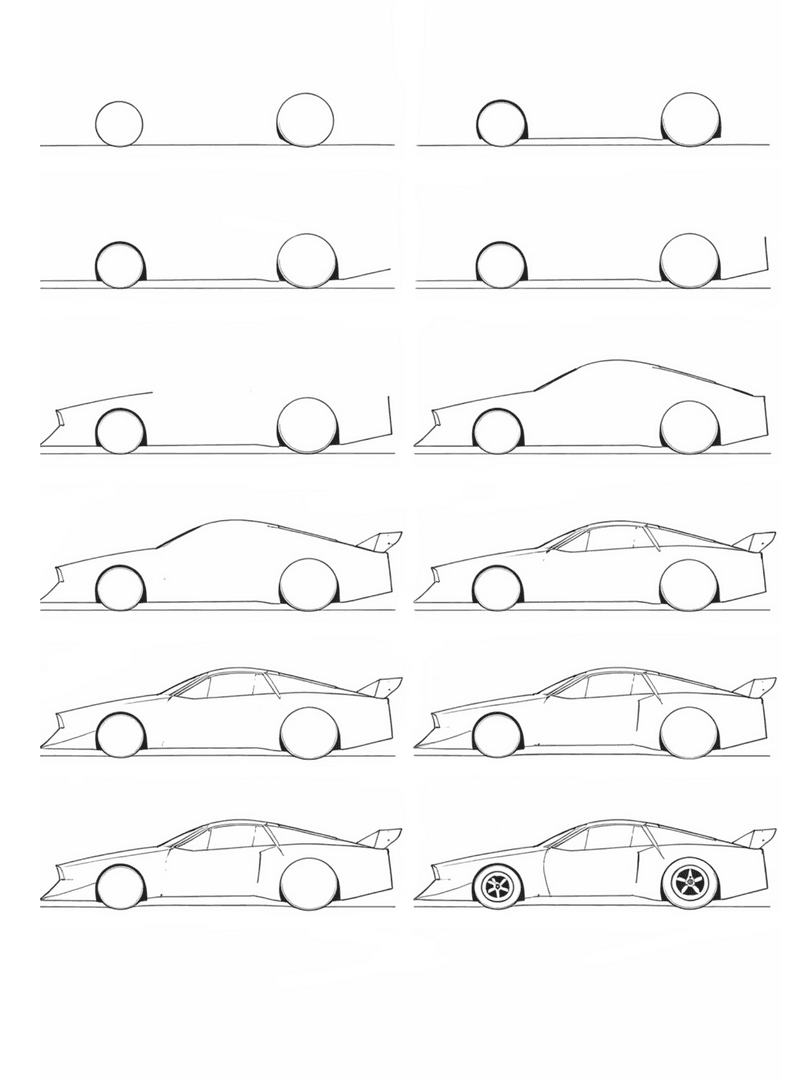
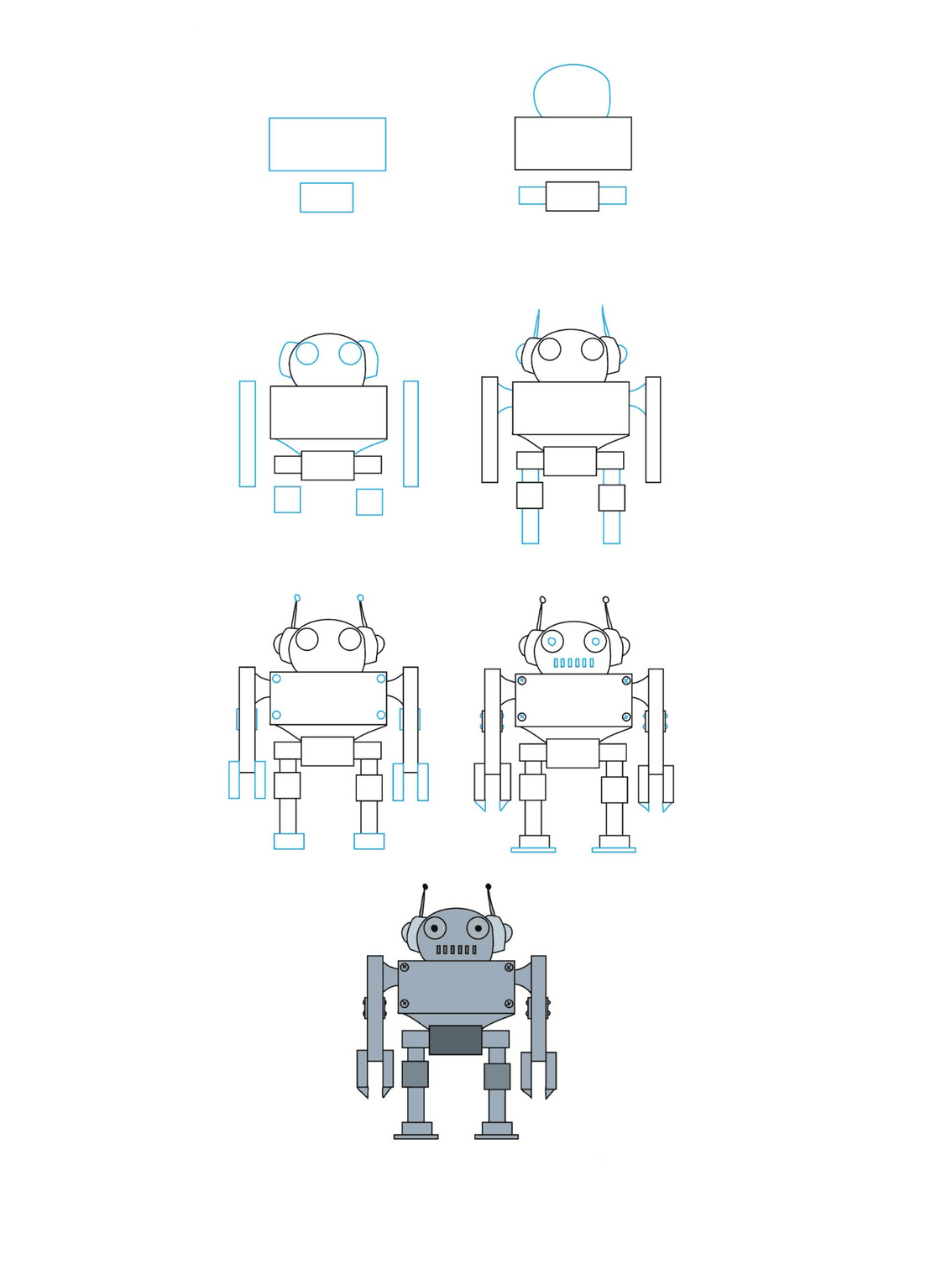
Introduction to professional domains: Architecture, Jewelry, Automotive, and Robotics design thinking. Students move from drawing 'things' to designing 'systems'.
They learn professional iterative sketching processes to explore and refine their own creative ideas.
Key Focus
Concept sketching, iterative design
Outcome
Portfolios across professional domains


Mastering classical principles and technical depth.
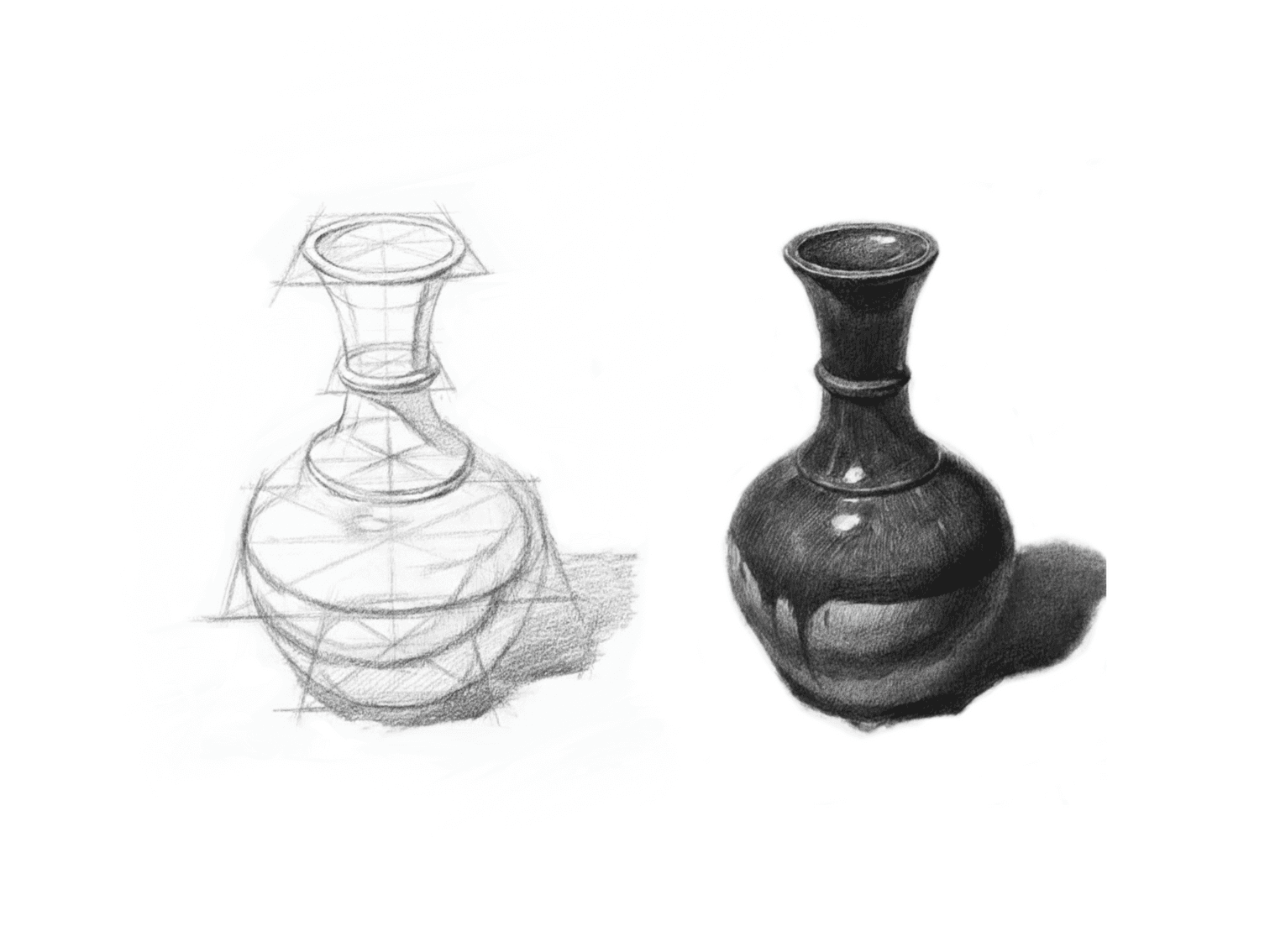
Advanced light and shadow, material rendering, and complex landscape or figure compositions. Through rigorous practice, students master the technical nuances of traditional fine art.
Applying classical principles to modern subjects for those seeking professional-grade technical proficiency.
Key Focus
Light & shadow, atmospheric perspective
Outcome
Mastery of technical rendering
Synthesis of art, logic, and professional awareness.
Students integrate all previous levels to develop their unique visual language and professional design thinking. Introduction to global career paths: Architecture, Product Design, Game Design, UX/UI, and Fine Art.


Key Focus
Professional portfolio building
Outcome
Academic & career readiness
How Visual Intelligence builds cognitive foundations at each critical stage of growth.
Spatial awareness and pencil control. Building neural pathways for precision and 3D thinking through structured observation.
The foundation of architecture and engineering. Learning to break complex visuals into manageable geometric systems.
Professional-grade design thinking. Preparing for a future in architecture, design, and visual communication.
Visual Intelligence is not just a skill—it's a transferable cognitive lens for the 21st century.
"This is not extracurricular enrichment. This is foundational education."
Structured drawing builds focus, patience, and analytical thinking that transfers to all subjects.
Resilience through the deliberate process of trial, error, and refinement.
Visual literacy opens pathways in architecture, animation, product design, and fine art.
Choose your path to visual mastery today.
Experience one Level 1 session. See the institutional methodology firsthand.
Book Trial ClassGet a personalized assessment and programme recommendation for your child.
Schedule Call